
Positioning & Offer Strategy
Get clear on what you sell, who it is for, and why customers should choose your business.
Jefferson Network Solutions helps businesses refine their market position, strengthen their offers, and communicate their value in a way that is easier for customers to understand and act on.
We turn scattered services, unclear messaging, and broad target markets into a focused strategy built around the right audience, the right problem, and a more compelling offer.
Make Your Business Easier to Understand—and Easier to Choose
Many businesses offer a valuable service but struggle to explain it clearly.
Customers may not immediately understand:
What the business actually provides
Who the service is designed for
What problem it solves
Why it is different from competing options
What is included
Why the price makes sense
What they should do next
When the positioning is unclear, marketing becomes harder. Ads feel inconsistent, website copy becomes generic, and sales conversations require too much explanation.
We help organize your message and offer so potential customers can quickly understand the value of working with you.
What Positioning Means
Positioning is the place your business occupies in the customer’s mind.
It defines how customers understand your company compared with other choices available to them. Strong positioning helps answer:
Who is this for?
What specific problem does it solve?
What outcome does it create?
Why is this solution different?
Why should the customer trust it?
Why should they choose it now?
Positioning is not just a slogan or headline. It influences your website, pricing, services, sales process, advertising, customer experience, and long-term growth.
What Offer Strategy Means
Your offer is more than the service itself.
A strong offer brings together the service, outcome, process, pricing, proof, terms, and next step into one clear package.
We help businesses evaluate:
What is being sold
How the service is packaged
What is included and excluded
How the value is communicated
How pricing is presented
What objections may prevent a purchase
What makes the offer easier to trust
What action the customer should take
The goal is not to make unrealistic promises. The goal is to make the value of the service easier to understand.
What This Service Can Include
Market Positioning Review
We review how your business currently presents itself across your website, services, advertising, sales materials, and customer communication.
This helps identify messaging that may be:
Too broad
Too technical
Too similar to competitors
Focused on features instead of outcomes
Unclear about the target customer
Inconsistent across platforms
Missing a strong reason to choose your business
We then help define a clearer position for the company or service.
Ideal Customer Definition
A business cannot communicate effectively if it is trying to speak to everyone at once.
We help clarify the customer most likely to need, value, and purchase the offer.
This may include defining:
Customer type
Business or household characteristics
Primary problems
Purchase motivations
Common objections
Desired outcomes
Decision-making factors
Level of urgency
Budget expectations
Where the customer looks for solutions
The result is a more useful customer profile that can guide messaging and marketing decisions.
Problem and Outcome Definition
Customers usually purchase because they want to solve a problem or reach a desired outcome.
We help connect the service to the practical result the customer is seeking.
This includes clarifying:
The current problem
The cost of leaving it unresolved
The customer’s desired result
The process used to reach that result
The realistic benefits of the service
The limitations that should be communicated
This makes the offer more relevant and reduces vague marketing language.
Service Packaging
Some businesses have strong services but present them as a disconnected list of tasks.
We help organize services into clear offers that customers can understand and compare.
This may involve:
Creating service packages
Defining entry-level and premium options
Grouping related services
Establishing project phases
Separating consultation from implementation
Clarifying deliverables
Defining optional upgrades
Simplifying complex service menus
The package should support the customer’s decision while remaining practical for the business to deliver.
Value Proposition Development
A value proposition explains why the customer should consider the offer.
We help build messaging around:
The customer being served
The problem being addressed
The result being offered
The method or process used
The business’s strengths
The reason the offer is different
The level of support provided
This language can then be used across the website, sales materials, proposals, advertisements, and customer conversations.
Competitive Positioning
Customers may compare your business with direct competitors, lower-cost providers, do-it-yourself options, or the decision to do nothing.
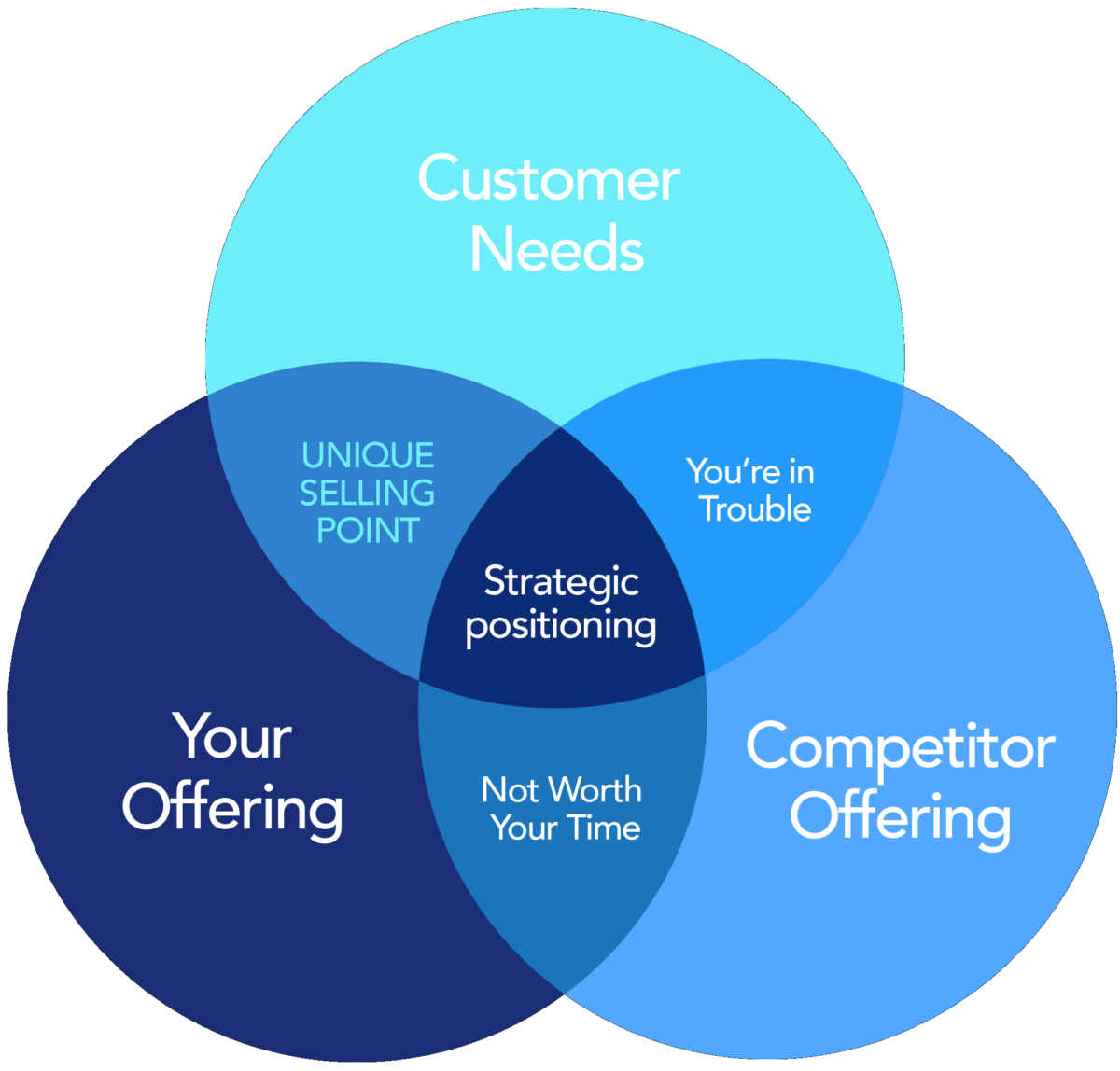
We help identify how the offer should be positioned within that competitive environment.
The review may consider:
Competitor messaging
Common industry promises
Pricing structures
Service levels
Customer expectations
Market gaps
Areas where the business is genuinely stronger
Claims that should be avoided
The goal is not to copy competitors. It is to make your own position more distinct and credible.
Pricing and Value Presentation
Pricing affects how customers interpret the quality, scope, and value of an offer.
We help businesses think through how pricing is presented, including:
Flat-rate packages
Starting prices
Custom quotes
Consultation fees
Monthly services
Project-based pricing
Optional upgrades
Deposits and payment structure
Value comparisons
Scope boundaries
Final pricing decisions remain with the business. Our role is to help make the pricing structure and presentation easier for customers to understand.
Offer Messaging
Once the strategy is defined, we can help translate it into usable marketing language.
This may include:
Website headlines
Service descriptions
Calls to action
Landing-page copy
Proposal language
Sales talking points
Email messaging
Social-media language
Frequently asked questions
Offer summaries
The language should remain clear, accurate, and consistent with what the business can actually deliver.
Positioning Approaches We May Evaluate
Niche Positioning
The business focuses on a specific customer group, industry, property type, or use case.
This can help the company appear more relevant to the customers it serves best.
Product- or Service-Based Positioning
The business is positioned around a specific service, product category, process, or area of expertise.
This works well when customers are already searching for a defined solution.
Quality-Based Positioning
The offer emphasizes workmanship, reliability, materials, attention to detail, support, or long-term value.
The quality claim should be supported by the actual customer experience.
Customer-Needs-Based Positioning
The business focuses on a specific customer problem, frustration, or desired outcome.
This can make marketing more relevant and easier to understand.
Convenience-Based Positioning
The offer emphasizes speed, simplicity, accessibility, coordination, or reduced effort for the customer.
The business must be able to consistently deliver the promised convenience.
Competitor-Based Positioning
The offer is defined partly by how it differs from common alternatives in the market.
Differences should be factual and should not rely on misleading comparisons.
Price-Based Positioning
The business competes through affordability, premium pricing, transparent pricing, or a defined value level.
Price positioning affects customer expectations and should align with the service experience.
Who This Service Is For
Positioning and offer strategy can help:
New businesses preparing to enter the market
Existing companies launching a new service
Businesses with websites that do not generate enough leads
Companies that offer too many disconnected services
Owners who struggle to explain what makes the business different
Businesses competing mainly on price
Companies preparing to advertise
Service businesses creating packages or retainers
Businesses entering a new customer segment
Companies that have grown beyond their original messaging
Signs Your Positioning May Need Work
Your positioning may need attention when:
Customers frequently misunderstand what you offer
Your website sounds similar to every competitor
You attract many poor-fit leads
Sales conversations require too much explanation
Customers focus only on price
Your services are difficult to package
Your marketing feels inconsistent
Your business serves a specific market but your messaging remains broad
You have added new services without updating the overall strategy
Your offer has value but customers do not immediately recognize it
Our Strategy Process
1. Business Review
We review the business, services, target customers, current messaging, competitors, sales process, and growth goals.
2. Customer Clarification
We identify the customer groups most likely to value the offer and define the problems, motivations, and objections that influence their decisions.
3. Positioning Development
We develop a clearer market position based on the customer, problem, outcome, service strengths, and competitive environment.
4. Offer Structure
We organize the service into a clearer package with defined deliverables, boundaries, options, and next steps.
5. Messaging Development
We create practical language that communicates the value of the offer across the website and other customer-facing materials.
6. Implementation Recommendations
We identify where the new positioning and offer should be applied, including website pages, ads, proposals, sales materials, and customer communication.

-
We evaluate how your business currently presents itself and how customers are likely to understand it.
The review may include your website, service descriptions, marketing materials, customer communication, competitors, pricing presentation, and calls to action.
We identify areas where the message is unclear, too broad, inconsistent, or difficult to differentiate.
-
We help define the customer most likely to need and value your offer.
This includes reviewing customer characteristics, problems, goals, buying motivations, objections, urgency, and decision-making factors.
A clearer customer definition allows the business to create more relevant services and marketing.
-
We develop a clear explanation of the value your business provides.
The value proposition connects the customer, problem, service, outcome, process, and reason to choose your business.
This message can guide website copy, proposals, advertising, email communication, and sales conversations.
-
We help organize your services into offers that are easier for customers to understand.
This may include defining packages, deliverables, project phases, optional upgrades, consultation services, recurring support, and scope limitations.
The structure is designed around both customer clarity and the business’s ability to deliver consistently.
-
We review the alternatives customers may compare with your business.
This may include direct competitors, lower-cost providers, internal solutions, do-it-yourself options, or delaying the purchase.
We then identify credible ways to make the offer more distinct without relying on exaggerated or unsupported claims.
-
We help organize how pricing is presented to customers.
This may include custom quotes, starting prices, flat-rate packages, monthly services, project phases, deposits, and optional upgrades.
We do not determine what your business must charge. We help make the structure and value easier to communicate.
-
We turn the strategy into clear customer-facing language.
Deliverables may include website headlines, service descriptions, offer summaries, calls to action, FAQs, proposal language, email copy, and sales talking points.
The final message should accurately reflect what the business provides.
-
We identify where the new positioning and offer should be applied.
This may include service pages, landing pages, paid advertising, local listings, social media, proposals, email campaigns, sales scripts, and appointment-booking pages.
The goal is consistency across the full customer journey.
A strong business can still struggle when its offer is difficult to explain.
Jefferson Network Solutions helps organize your positioning, audience, service structure, and messaging so customers can more quickly understand what you provide and why it matters.
Schedule a positioning and offer strategy consultation.
Positioning & Offer Strategy FAQs
What is business positioning?
Business positioning defines how customers understand your company and how it differs from other available choices. It connects the customer, problem, outcome, service, and reason to choose the business.
What is an offer strategy?
An offer strategy defines how a service is packaged, priced, explained, and presented. It may include the deliverables, process, service options, terms, value proposition, and next step.
Can you help package my existing services?
Yes. We can review your current services and help organize them into clearer packages, project phases, consultation offers, recurring services, or optional upgrades.
Do you create the website copy too?
Yes. Once the positioning and offer are defined, we can help create website headlines, service descriptions, calls to action, FAQs, and other customer-facing language.
Can you help determine my target customer?
Yes. We help clarify the customer groups most likely to need, value, and purchase the service based on their problems, goals, motivations, and buying behavior.
Will this guarantee more sales?
No. Stronger positioning and offer clarity can support better marketing and sales communication, but results also depend on demand, competition, pricing, implementation, customer experience, and sales execution.
Can you review an offer before I launch it?
Yes. We can review the target customer, positioning, service structure, messaging, pricing presentation, objections, and customer journey before the offer is launched.